The Real Snowfall Window in Himachal Pradesh
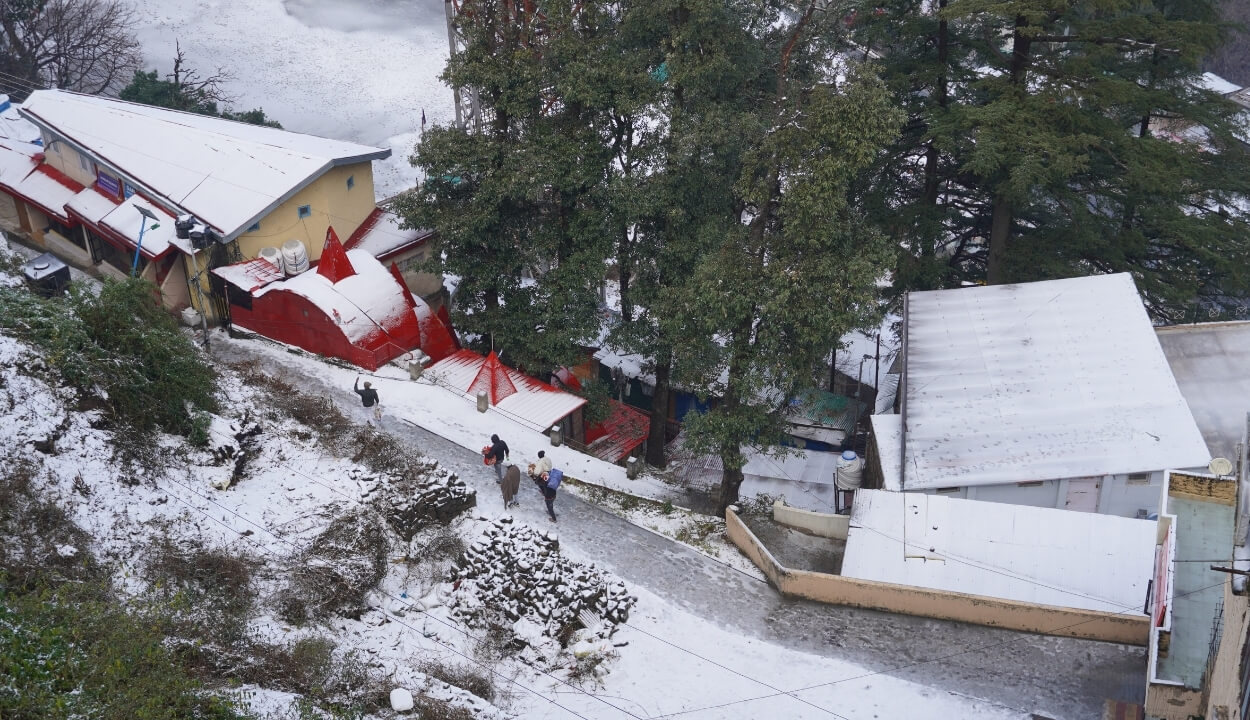
Most travelers assume snowfall starts the moment winter arrives in North India. In reality, Himachal’s snow season builds gradually.
The most reliable snowfall period usually falls between late December and mid-February, although altitude changes everything.
Here’s how the season generally behaves:
Early Winter: Late November to Mid-December
This is the “hopeful snow” phase.
Higher regions like:
- Spiti Valley
- Lahaul
- Sethan
- Rohtang region
- parts of Kinnaur
may already receive snowfall, especially after western disturbances. But mainstream tourist destinations like Manali and Shimla often remain cold rather than snowy.
This period is better for:
- fewer crowds
- winter atmosphere
- cheaper hotels
- mountain views before heavy snow clouds arrive
But if your entire trip depends on seeing active snowfall, this period can feel uncertain.
Peak Snowfall Season in Himachal
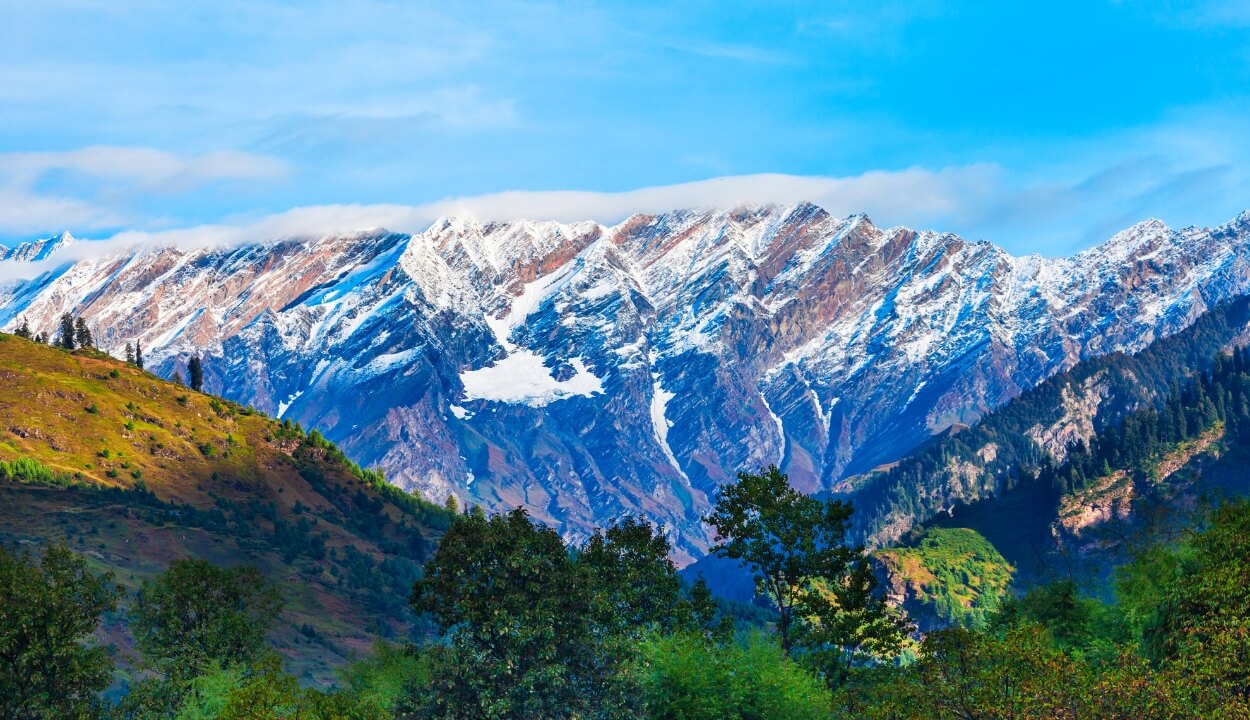
Late December to January: The Most Popular Snow Period
This is when Himachal truly transforms.
Fresh snowfall becomes much more frequent across:
- Himachal Pradesh
- Manali
- Shimla
- Kufri
- Narkanda
- Sethan
- Jibhi (occasionally nearby higher zones)
If your dream is:
- watching snowflakes fall from a hotel balcony,
- walking through snow-covered pine forests,
- seeing rooftops buried under fresh white snow,
then January offers the highest probability.
But this is also when reality hits hardest for unprepared travelers.
Roadblocks, power cuts, traffic jams near Solang Valley, delayed buses, frozen pathways, and hotel price surges become common during active snow days.
Ironically, the “perfect snow experience” usually requires accepting a little inconvenience.
January vs February: Which Month Is Better?
This depends on the type of traveler you are.
January Feels Magical, But Chaotic
January is ideal if you want:
- active snowfall
- thick fresh snow
- dramatic winter landscapes
- peak winter vibes
But expect:
- heavy tourist crowds
- expensive stays
- traffic congestion
- colder nights
- occasional travel disruptions
Popular areas near Manali can become extremely crowded after fresh snowfall announcements.
Couples and first-time snow travelers usually prefer January because it delivers the cinematic winter feeling most people imagine.
February Is Often More Comfortable
February is underrated.
Snow is still present in many higher areas, but conditions become slightly easier:
- roads improve
- sunlight increases
- weather stabilizes
- crowds reduce after peak season
This month works especially well for:
- families
- photographers
- relaxed travelers
- people uncomfortable with extreme cold
You may experience fewer “live snowfall moments” compared to January, but the overall travel experience often feels smoother.
In many ways, February offers a better balance between beauty and practicality.
Best Places for Snowfall in Himachal Pradesh
Not all Himachal destinations experience snow equally.
A major mistake travelers make is choosing places based on popularity instead of altitude.
Manali: Best Overall Snow Experience
Manali remains the safest choice for most travelers wanting snowfall in Himachal.
Why?
Because nearby high-altitude zones increase your chances dramatically.
Even if central Manali receives lighter snowfall, areas like:
- Solang Valley
- Atal Tunnel region
- Sissu
- Gulaba
- Sethan
often hold snow for longer durations.
This flexibility makes Manali more reliable than many other hill stations.
Shimla: Better for Easy Access
Shimla is easier to reach compared to deeper mountain regions, which is why many families and weekend travelers prefer it.
However, actual snowfall inside Shimla town has become less consistent in recent years.
Nearby areas such as:
- Kufri
- Narkanda
- Mashobra
- Fagu
usually provide better snow conditions.
Shimla works best for travelers who want:
- winter ambiance,
- colonial charm,
- accessible snow experiences,
- shorter travel routes from Delhi or Chandigarh.
Sethan: The Quiet Alternative
Most casual tourists still don’t know much about Sethan, which is exactly why many experienced Himachal travelers love it.
Located near Manali, this small Buddhist village often receives heavier snow and feels dramatically quieter than crowded tourist zones.
During peak winter:
- roads become deeply snow-covered,
- igloo stays operate seasonally,
- landscapes look far more raw and untouched.
If your goal is peaceful snow scenery rather than crowded sightseeing points, Sethan can feel far more rewarding.
When You’re Most Likely to See Actual Snowfall
There’s a difference between:
- seeing old snow on the ground,
- and
- witnessing fresh snowfall live.
Fresh snowfall usually occurs after western disturbances move across North India.
Practically speaking:
- January offers the highest probability.
- Night snowfall is common.
- Snow often continues into morning hours.
- Weather forecasts become very important during winter trips.
Many travelers now intentionally keep flexible itineraries and monitor snowfall forecasts before final hotel bookings.
That strategy works surprisingly well.
Should You Travel During Heavy Snowfall Warnings?
Not always.
Fresh snowfall looks beautiful online, but extreme snowfall can also create:
- road closures,
- long traffic jams,
- hotel supply shortages,
- delayed check-ins,
- vehicle skidding risks.
If you are inexperienced with mountain travel, avoid chasing “viral snowfall” blindly.
A moderate snowfall trip is usually more enjoyable than getting trapped inside a vehicle for 10 hours near Solang Valley.
What Kind of Clothes You Actually Need
One of the biggest winter travel myths is that “more layers solve everything.”
In Himachal winters, the right layers matter more than the number of layers.
Carry:
- waterproof shoes with grip
- thermal inners
- insulated jackets
- gloves
- woolen cap
- thick socks
Avoid:
- fashionable sneakers without grip
- denim-only winter outfits
- cheap gloves that become wet quickly
Wet feet ruin snow trips faster than cold weather itself.
Snowfall Expectations vs Reality
Many travelers imagine continuous snowfall throughout the day.
Real snowfall in Himachal is often:
- intermittent,
- weather-dependent,
- short-lived,
- unpredictable.
Sometimes:
- it snows heavily at night,
- skies clear beautifully next morning,
- roads partially melt by afternoon.
And honestly, those post-snow mornings are often more beautiful than active snowfall itself.
The mountains become quieter.
The air feels sharper.
Pine forests hold fresh snow silently.
Even ordinary roads start looking cinematic.
That’s usually the moment travelers remember most.
Best Time for Different Types of Snow Travelers
For First-Time Snow Experience
Late December to January
For Families
Late January to February
For Couples
January snowfall periods
For Budget Travelers
Early December or late February
For Photography
Fresh snowfall mornings in January
For Peaceful Winter Landscapes
Sethan, Narkanda, and less commercial villages during February
Final Thoughts
The best time to experience snowfall in Himachal Pradesh is not just about choosing a month. It’s about matching your expectations with the reality of mountain winters.
If you want dramatic fresh snowfall and don’t mind crowds or travel unpredictability, January delivers the classic Himachal winter experience.
If you prefer calmer roads, clearer weather, and a more comfortable trip while still enjoying snow-covered landscapes, February is often the smarter choice.
And if there’s one thing seasoned mountain travelers eventually learn, it’s this:
Snowfall in Himachal is never fully guaranteed, but the atmosphere of winter in the mountains often becomes memorable long before the first snowflake falls.








.jpg)

.jpg)