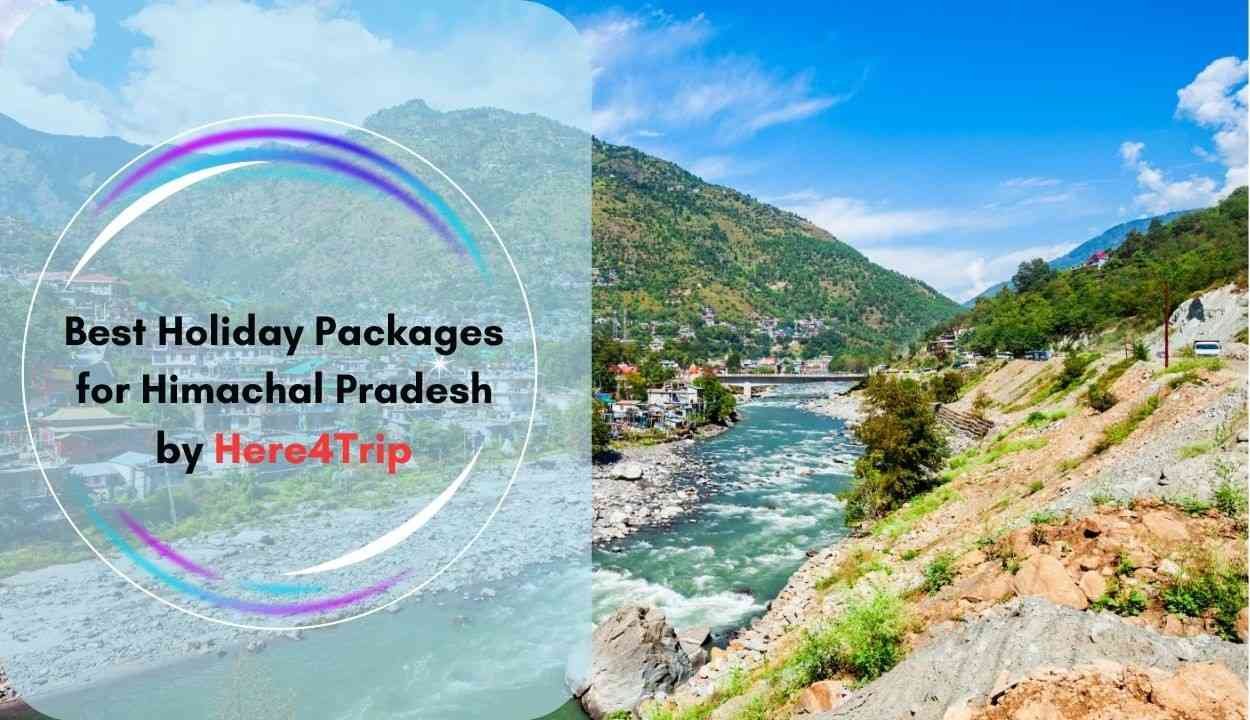
Best Holiday Packages for Himachal Pradesh by Here...
Himachal Pradesh ? A Family Holiday Designation If we compile a list of hill stations in India, it will likely include a...
There are journeys where you plan everything, t...
Himachal Pradesh ? A Family Holiday Designation If we compile a list of hill stations in India, it will likely include a...
Customize Your Trip






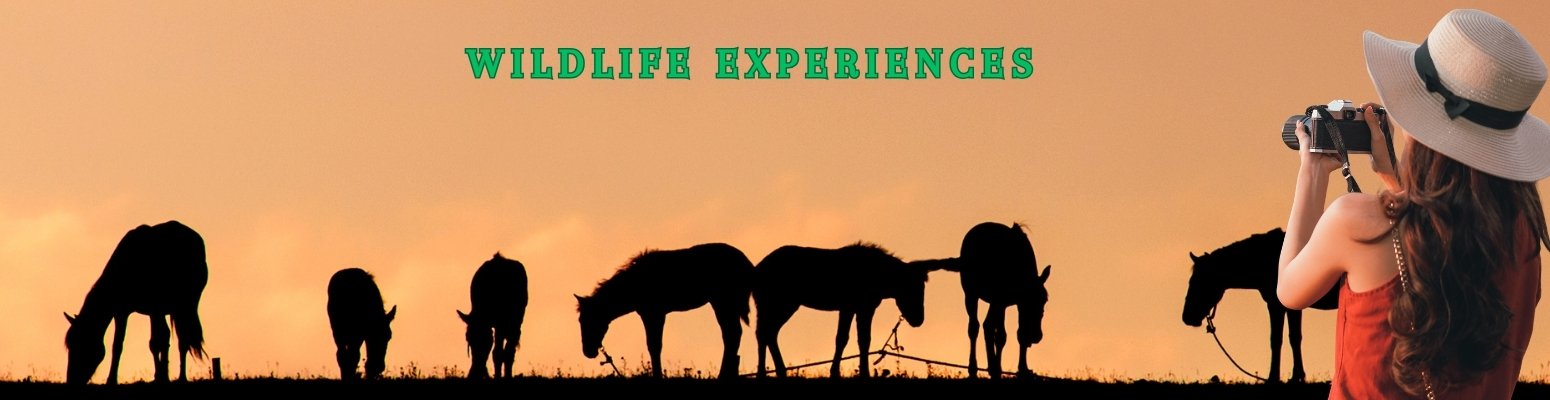




There are journeys where you plan everything, the routes, the stops, the timelines. And then there are journeys where you surrender control a little. A wildlife tour belongs to the second kind. You don’t go into the forest to “see” things on demand; you go to experience, observe, and wait.
That’s what makes wildlife travel so different from any other kind of journey. It’s unpredictable, raw, and deeply immersive. You’re stepping into a world that operates on its own rhythm, where every sound, every movement, and every silence carries meaning.
Over the years, wildlife tours have grown from niche interest to a widely explored travel category. More people are seeking experiences that go beyond cities and resorts, something closer to nature, something real. This space brings together everything you need to understand that shift and explore it further.
One of the first things you notice on a wildlife tour is how different time feels. On most trips, you’re moving from one place to another, constantly checking schedules. In the wild, things slow down, not because you want them to, but because they have to.
A safari doesn’t guarantee sightings. A forest trail doesn’t promise activity. And yet, that uncertainty is what makes the experience meaningful. You start noticing details you would otherwise ignore, the rustle of leaves, distant calls, changing light, and even the stillness.
This change in pace is not something you plan for, but something you gradually adapt to. And once you do, the experience becomes less about spotting animals and more about understanding the environment.
In a world that feels increasingly structured and digital, wildlife travel offers something refreshingly unfiltered. It brings you closer to nature in a way that feels direct and real.
There is also a growing awareness around conservation and natural ecosystems. People are no longer just interested in visiting places; they want to understand them. Wildlife tours provide that opportunity. They allow you to see how ecosystems function, how species interact, and why preservation matters.
Another reason for this growing interest is the uniqueness of each experience. No two safaris are the same. Even if you visit the same park twice, the experience can feel entirely different. This unpredictability adds a sense of excitement that is hard to replicate elsewhere.
For many travelers, wildlife tours also offer a break from routine travel patterns. Instead of crowded attractions and fixed itineraries, they provide space, silence, and a sense of discovery.
Wildlife travel is not limited to one format. The way you experience the wild can vary depending on the destination, terrain, and type of journey you choose.
Safaris are the most common form, especially in national parks. These are structured drives through forest areas, guided by experts who understand animal behavior and terrain. While sightings are never guaranteed, the experience itself is engaging and informative.
There are also regions where the experience shifts from land to water. Mangrove forests and wetland ecosystems offer boat-based exploration, where the perspective changes completely. The environment feels quieter, and movement happens differently.
In some destinations, walking trails are part of the experience. These are usually guided and controlled, allowing you to observe smaller details of the forest that might go unnoticed during a drive.
Birdwatching has also become an important part of wildlife travel. For many, spotting rare or migratory species is just as exciting as seeing larger animals.
Each of these formats offers a different way to connect with nature. The choice depends on what you’re curious about and how you want to experience the environment.
Wildlife tours are closely tied to the landscapes they exist in. The type of forest, terrain, and climate all influence what you see and how you experience it.
Dense forests create a sense of mystery. Visibility is limited, and every movement feels significant. These environments require patience, but they also reward it in unexpected ways.
Grasslands, on the other hand, offer more open views. Sightings are often easier, and the experience feels more expansive. You can see movement from a distance, which adds a different kind of anticipation.
Wetlands and mangroves bring their own character. Water becomes a central element, and the ecosystem feels layered and complex. These regions often have a quieter, more subtle energy.
What makes wildlife travel interesting is how these landscapes shape your experience. It’s not just about what you see, but how the environment makes you feel.
One of the most important changes in wildlife tourism is the growing emphasis on responsibility. Travelers today are more aware of their impact on the environment, and this awareness is shaping how wildlife tours are approached.
There is a stronger focus on respecting natural habitats, following guidelines, and minimizing disturbance. The idea is not just to experience the wild, but to do so in a way that preserves it.
Many travelers are also showing interest in learning more about conservation efforts. Understanding how ecosystems are protected, how species are monitored, and what challenges exist adds depth to the journey.
This shift toward conscious travel is making wildlife tours more meaningful. It’s no longer just about seeing animals; it’s about understanding the bigger picture.
If wildlife travel interests you, this category offers a deeper look into different aspects of the experience. Here, you’ll find blogs that explore destinations, safari experiences, seasonal insights, and practical tips that help you prepare better.
These articles are designed to give you clarity. Instead of presenting everything at once, they break down the experience into manageable insights. Whether you’re curious about specific parks, travel timing, or how safaris work, you’ll find useful information here.
You can explore related blogs to understand different wildlife regions, learn about travel patterns, and discover what makes each destination unique.
Unlike many other types of travel, the highlight of a wildlife tour is not always a single moment. Sometimes, it’s a combination of small experiences that come together.
It could be the anticipation during a silent drive, the excitement of spotting movement in the distance, or even the quiet satisfaction of simply being in nature. These moments may seem subtle, but they often leave a lasting impression.
The unpredictability also plays a role. When something unexpected happens, a sighting, a sound, or a sudden change in the environment, it feels more real because it wasn’t planned.
In many ways, wildlife travel teaches patience. It shifts your focus from outcomes to experiences, which is what makes it so unique.
Despite their growing popularity, wildlife tours are often misunderstood. One of the biggest misconceptions is that sightings are guaranteed. In reality, the experience is about exploration, not certainty.
Another common misunderstanding is treating wildlife travel like a typical sightseeing trip. The expectations need to be different. The pace, the unpredictability, and the environment all require a different mindset.
Some travelers also underestimate the importance of timing. Early mornings and specific seasons can influence the experience significantly.
Understanding these aspects beforehand helps in setting the right expectations and enjoying the journey more fully.
There are certain travel experiences that fade over time, and then there are those that stay with you. Wildlife tours often belong to the latter.
It’s not just about what you saw, but how the experience made you feel. The silence, the anticipation, the connection with nature, these elements create memories that feel different from typical travel moments.
There’s also a sense of perspective that comes with it. Being in the wild reminds you of how vast and interconnected the natural world is. It brings a kind of awareness that stays with you long after the trip ends.
A wildlife tour is not about checking off a destination, it’s about stepping into a world that exists beyond your control. It’s about observing, waiting, and experiencing something real.
As you explore this category, you’ll come across insights that help you understand wildlife travel more deeply. Whether you’re planning your first safari or simply curious about the experience, this space is designed to guide you with clarity and perspective.
In the end, the wild doesn’t promise anything, and that’s exactly what makes it worth experiencing.