2 Days in Chitrakoot Tour ? Day-Wise Itinerary for...
The main point is that where's Chitrakoot Dham? This is useful because Chitrakoot Dham is situated on the border with M...
Some journeys are planned with itineraries, while others...
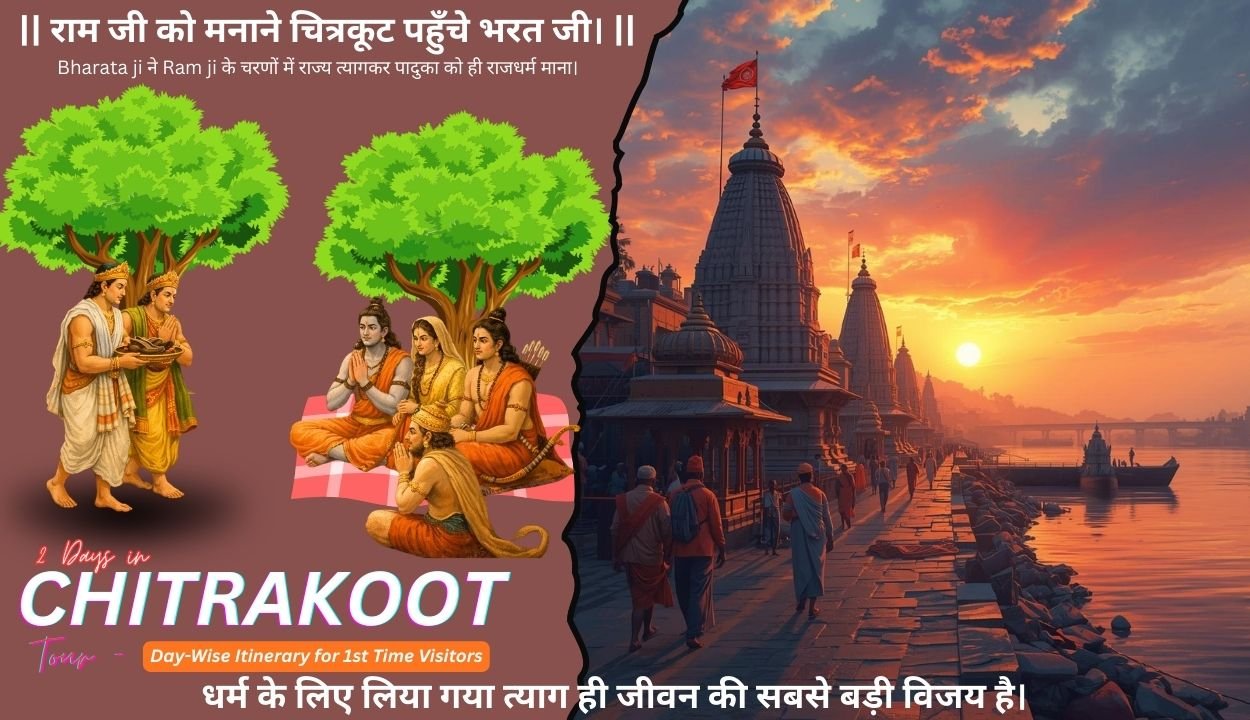
The main point is that where's Chitrakoot Dham? This is useful because Chitrakoot Dham is situated on the border with M...
Customize Your Trip














Some journeys are planned with itineraries, while others are guided by belief. A tirath yatra belongs to the latter. It is not just about reaching a destination, it is about the intention behind the journey, the emotions carried along the way, and the sense of peace people seek when they begin.
Across generations, pilgrimage travel has held a deep place in people’s lives. Whether it is visiting ancient temples, walking sacred paths, or participating in rituals that have existed for centuries, a tirath yatra is often seen as a meaningful step toward spiritual connection.
Today, even as travel continues to evolve, this form of journey remains unchanged in its essence. People may travel differently now, but the purpose of a tirath yatra, to find clarity, devotion, and inner balance, continues to stay the same.
In this category, you’ll explore everything related to tirath yatra journeys, from understanding their significance to discovering different pilgrimage circuits, travel patterns, and insights that help you approach such journeys with clarity.
Unlike other types of travel, a tirath yatra carries an emotional and spiritual layer that goes far beyond sightseeing. The destination is important, but the journey itself holds equal value.
For many, these trips are deeply personal. Some travel to fulfill long-standing wishes, others to seek blessings during important phases of life, and some simply to experience a sense of peace that is hard to find in everyday surroundings.
There is also a rhythm to pilgrimage travel that feels different. Early mornings, temple bells, chants, and rituals create an environment that slowly shifts your mindset. You begin to move at a pace that is less about urgency and more about presence.
This is what makes a tirath yatra unique, it connects the outer journey with an inner one.
One of the most fascinating aspects of pilgrimage travel is its diversity. There is no single route or format. Each journey carries its own meaning, shaped by region, tradition, and belief.
Some yatras are centered around specific temple circuits, where multiple sacred sites are connected through a single journey. Others focus on individual destinations that hold deep significance.
In the northern regions, Himalayan yatras often combine devotion with physical endurance. The journey itself becomes a test of faith and determination, adding a deeper layer to the experience.
In other parts of the country, temple towns offer a more accessible form of pilgrimage. These journeys are often less physically demanding but equally rich in spiritual atmosphere.
There are also routes that span across states, connecting multiple traditions and histories. Each path tells a different story, and each journey feels unique in its own way.
In a time where travel is often associated with leisure and exploration, the continued relevance of tirath yatra journeys says a lot about their deeper value.
One of the reasons is continuity. These journeys have been part of cultural and spiritual practices for centuries. People follow paths that their families and communities have followed for generations.
Another reason is the sense of grounding they offer. In a world that feels increasingly fast and uncertain, a tirath yatra provides a moment to pause and reflect. It allows people to step away from routine and reconnect with something more stable and meaningful.
There is also a sense of community that comes with these journeys. Traveling alongside others who share similar intentions creates a feeling of connection that is different from regular travel experiences.
What makes a tirath yatra memorable is often not a single moment, but a series of small experiences that come together.
It could be the sound of prayers echoing in a temple, the sight of devotees gathered at sunrise, or the quiet feeling that settles in as you sit in a sacred space. These moments are subtle, but they leave a lasting impression.
The journey itself also plays a role. Traveling through different landscapes, interacting with fellow travelers, and adapting to the rhythm of the yatra adds depth to the experience.
Over time, these elements create a sense of fulfillment that goes beyond the physical trip.
While the essence of tirath yatra remains unchanged, the way people approach these journeys has evolved.
Accessibility has improved significantly. Better roads, transport options, and organized travel have made it easier for people of all ages to undertake these journeys.
Planning has also become more structured. Travelers now look for clarity in routes, timing, and arrangements, ensuring a smoother experience.
At the same time, the core intention remains intact. Even with modern conveniences, the focus on devotion, reflection, and connection continues to define the journey.
This balance between tradition and modernity is what keeps tirath yatra relevant in today’s context.
If you want to explore pilgrimage travel in more depth, this category brings together a range of blogs that cover different aspects of tirath yatra journeys.
Here, you’ll find insights into various pilgrimage circuits, destination-specific details, seasonal considerations, and practical guidance that helps you plan better.
These blogs are designed to provide clarity rather than overwhelm. They help you understand what each journey involves and how you can approach it in a way that feels comfortable and meaningful.
You can explore related blogs to learn more about specific destinations, traditions, and travel patterns associated with tirath yatras.
A tirath yatra requires a slightly different approach compared to regular travel. While planning is important, the mindset you carry plays an even bigger role.
Understanding the nature of the journey is essential. Some yatras involve long travel hours or physical effort, while others are more relaxed. Choosing what suits you helps ensure a better experience.
Timing also matters. Certain periods hold more significance, but they may also bring larger crowds. Balancing these factors helps in planning a smoother journey.
Preparation, both physical and mental, can make a difference. Being ready for changing conditions, travel variations, and the overall pace of the journey helps you stay comfortable.
One common misconception is treating pilgrimage travel like a regular tour. While logistics may be similar, the purpose and experience are different.
Another misunderstanding is focusing only on the destination. The journey itself is equally important, and rushing through it can reduce its impact.
Some travelers also underestimate the importance of preparation. Even shorter yatras require planning to ensure comfort and ease.
Understanding these aspects helps in approaching the journey with the right expectations.
There are certain experiences that remain with you long after they are over, and a tirath yatra often falls into that category.
It’s not just about the places you visit, but the feeling you carry back. The sense of calm, clarity, or connection that comes from such journeys often stays with you in subtle ways.
For some, it becomes a reminder. For others, it becomes a tradition. And for many, it becomes a journey they choose to repeat in different forms.
A tirath yatra is not just a journey across places, it is a journey within. It brings together faith, tradition, and personal reflection in a way that few other travel experiences can.
As you explore this category, you’ll discover different paths, perspectives, and insights that help you understand these journeys more deeply. Whether you’re planning your own yatra or simply learning about them, this space is designed to offer clarity, depth, and a sense of connection.
Sometimes, the most meaningful journeys are not the ones you plan the most, but the ones you feel the most.